




















































Yunus Göksu: "Documentary Cinema is an Element of Cultural Sovereignty and Strategic Influence"
In an interview with RusTurkey.com, Turkish media producer Yunus Göksu discusses the role of documentary cinema and media in cultural geopolitics, the balance between psychological depth and ideology in screenwriting, as well as the prospects for Turkish-Russian cultural cooperation and joint media projects


RT:
Do you view documentary filmmaking solely as an artistic endeavor, or do you also assess it in the context of cultural sovereignty and geopolitics? What is the significance of this field for countries with strong historical memory, such as Turkey and Russia?
Yunus Göksu:
For me, documentary filmmaking is much more than an aesthetic form. This field is one of the key elements of cultural sovereignty. If a society does not create its own historical narrative, it becomes dependent on the interpretations of other actors. This has not only cultural but also strategic repercussions.
The Russian philosopher Nikolai Berdyaev noted that historical consciousness determines the spiritual continuity of a nation. Similarly, in Turkey, historical memory is central to the formation of identity. Therefore, documentary cinema is not only about recounting the past, but also about positioning the present and future through an interpretation of history.
In editing, my primary focus is the dramaturgical framework. Merely sequencing archival material is insufficient. The narrative must possess intellectual tension and human conflict. In this respect, I am influenced by the works of Andrei Tarkovsky. Tarkovsky did not view memory as nostalgic, but as a metaphysical space. I also strive to construct memory in documentary film as a living field of consciousness.
RT:
How do you find a balance between psychological depth and ideological context in your scriptwriting?
Yunus Göksu:
Human psychology precedes ideology. The drive for power, fear, loyalty, betrayal—these are universal themes. The works of Fyodor Dostoevsky place human conscience at the center, regardless of political context. This approach is very important to me.
I do not ignore the geopolitical background, but I do not turn the character into a propaganda tool. Propaganda yields a short-term effect; a well-constructed character is enduring.
As seen in the historical narratives of Tolstoy, major events acquire meaning only within the inner world of the individual. In scripting, it is crucial to build this inner tension. If the motivation of the character is authentic, international audiences can also identify with them.
RT:
Why do you continue to develop such a classical form as radio theater in the era of digital media?
Yunus Göksu:
Radio theater removes visual distractions and compels the listener to participate mentally.
There is a strong tradition of radio theater in Russia. This tradition demonstrates the place of oral storytelling in cultural memory. In an era dominated by visual media, sound becomes a concentrated narrative instrument.
Silence, intonation, and rhythm become dramaturgical tools. Therefore, I regard radio theater not as nostalgia for the past, but as a modern form of intellectual discipline.
RT:
How do you assess the export of media content between Turkey and Russia? What does it mean in terms of cultural diplomacy?
Yunus Göksu:
The export of media content today goes beyond mere economic activity. It is an important element of “soft power” strategy.
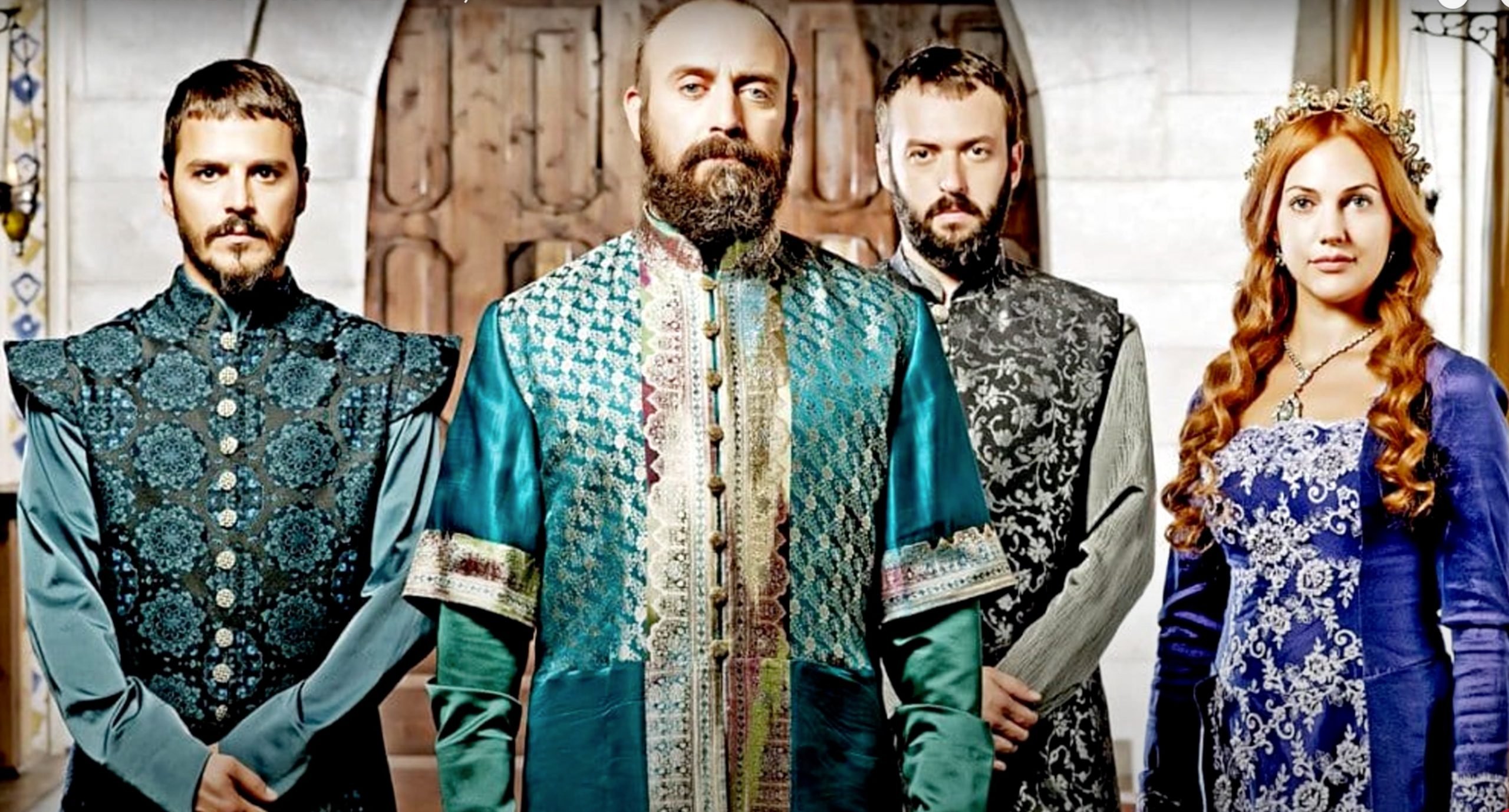
Turkey has made significant advances in the export of dramatic productions in recent years. Russia, in turn, holds global authority thanks to the depth of its literature and cinema. Sergei Eisenstein’s editing theory played a defining role in world cinema history. This intellectual heritage demonstrates the strength of the Russian narrative tradition.
Mutual exchange of content shapes perceptions beyond political news. People first learn about a country through its stories. Therefore, media content export holds real diplomatic potential.
RT:
Is a cultural filter necessary when importing media content?
Yunus Göksu:
A cultural filter does not mean censorship; it means conscious selectivity.
Russian cinema is particularly strong in character depth and psychological analysis. The films of Andrey Zvyagintsev vividly reveal the moral solitude of individuals. Turkey can learn from this aesthetic approach.
At the same time, Turkish dramatic productions offer a different narrative pace and emotional intensity. Conscious mutual import ensures cultural enrichment.
RT:
What is your perspective on future joint Turkish-Russian projects?
Yunus Göksu:
Joint projects are the most concrete manifestation of cultural strategy. The Black Sea region, historical contacts, and migration stories create a shared narrative foundation.
Combining the psychological depth of Russian cinema with the dramatic dynamism of Turkish storytelling can generate a powerful hybrid aesthetic. This would be an achievement not only in the arts but also in diplomacy.
RT:
How is the rise of digital platforms affecting media and geopolitics?
Yunus Göksu:
Digital platforms have weakened national borders. Content now circulates globally with ease. However, this has heightened competition.
Content that does not preserve cultural identity is lost on the global market. Content that retains local value and employs a universal narrative language becomes sustainable.
In this context, originality has become a strategic imperative.
RT:
How can music program production contribute to cultural diplomacy?
Yunus Göksu:
Music has the ability to overcome ideological barriers. There are rhythmic and emotional similarities between Russian and Turkish folk music.
Joint musical projects can foster emotional closeness between societies. Over the long term, this intimacy strengthens cultural understanding.
RT:
What advice would you give to young content creators?
Yunus Göksu:
Global production is impossible without studying your own cultural roots. One cannot understand the Russian soul without reading Dostoevsky, Tolstoy, and studying Tarkovsky. Likewise, without knowing Turkish oral tradition, it is impossible to create a universal Turkish narrative.
Without depth, global relevance is impossible.
RT:
What is your ultimate goal?
Yunus Göksu:
The goal is not popularity, but sustainable impact. I aim to create projects that contribute to cultural memory.
I focus on projects with a high intellectual level and strong dramaturgy, capable of building cultural bridges between Turkey and Russia. Because culture precedes politics. When history is constructed properly, borders become secondary.
About:
Yunus Göksu is a media producer specializing in documentary editing, screenwriting, radio theater, and the production of music programs. He views narrative not just as a technical process but as an intellectual and cultural construction.
His disciplined approach to dramaturgy, character development, and narrative architecture sets him apart from the average content producer. Göksu designs his projects not as temporary media products, but as cultural structures oriented towards long-term impact.
His production philosophy is based on a systemic working model that combines aesthetic sensitivity with strategic vision.