






















Between Moscow and Ankara: A New Formula for Russian-Turkish Relations
Four Turkish experts interviewed by RusTurkey.com offer different assessments of relations between Russia and Turkey. Yet behind their different formulations, a common theme emerges: Ankara seeks to develop cooperation with Moscow while maintaining its independence in foreign policy.

Russia and Turkey are too close geographically and too deeply interconnected economically for their relationship to be defined by a single political formula.
Energy, trade, the Black Sea, the Caucasus, Syria, relations with NATO, and the war in Ukraine constantly compel Moscow and Ankara to seek common ground. On some issues, their interests coincide; on others, they diverge considerably. Yet even serious disagreements do not bring dialogue to a halt.
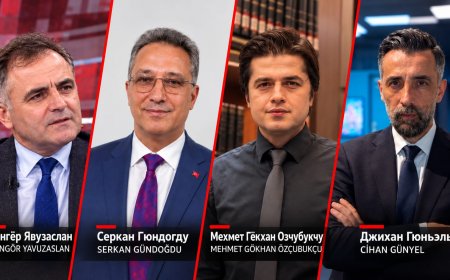
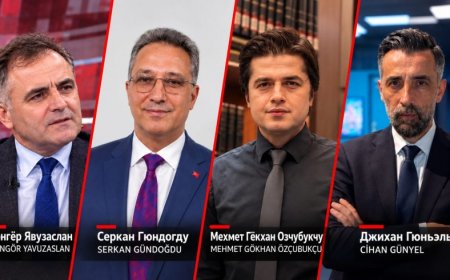
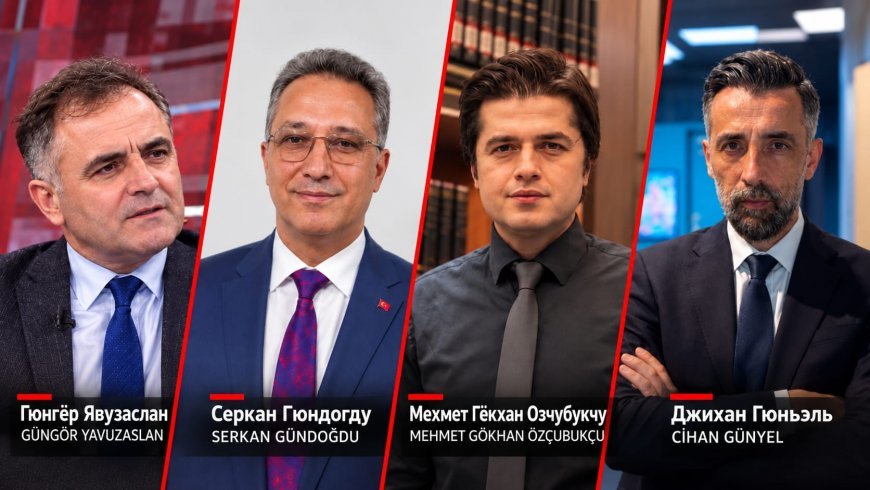
RusTurkey.com brought together the views of four Turkish experts, each approaching Russian-Turkish relations from a different perspective.
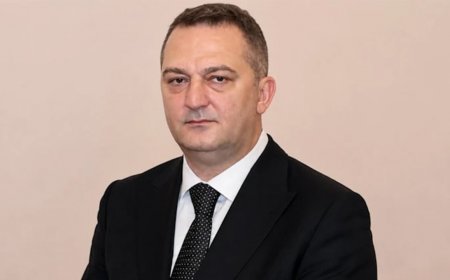
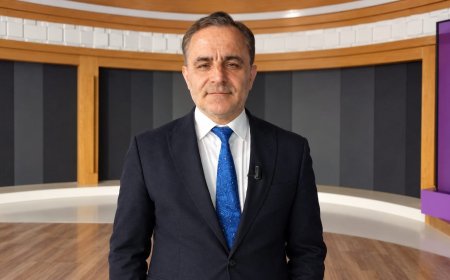
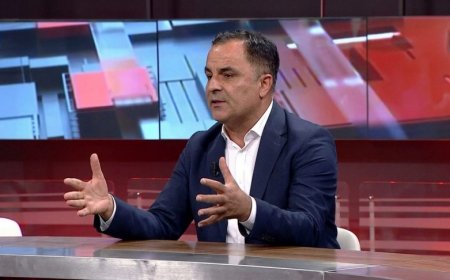
Güngör Yavuzaslan: Turkey No Longer Wants to Choose One Side
Journalist and foreign policy commentator Güngör Yavuzaslan links the changes in relations between Russia and Turkey primarily to Ankara’s evolving foreign policy course.
In his view, today’s Turkey is moving increasingly away from the Cold War logic, when its international position was largely defined by its membership in the Western bloc.
This does not mean abandoning relations with the West. Ankara seeks to determine independently with whom, and in which areas, it is beneficial to cooperate.
Relations with Russia have become one of the clearest examples of this approach.
Yavuzaslan describes this model as “competitive cooperation.” Moscow and Ankara may have conflicting interests in one region while simultaneously developing major joint projects in another. Disagreements do not necessarily mean a breakdown in relations, just as cooperation does not require complete alignment of political positions.
According to Yavuzaslan, this model is based on Turkey’s pursuit of strategic autonomy and its ability to determine its own foreign policy priorities independently.
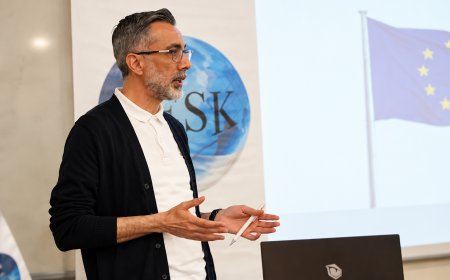
Serkan Gündoğdu: No Longer an Alliance, but Interdependence
Associate Professor at Munzur University Serkan Gündoğdu offers another definition of the current relationship between Moscow and Ankara: “strategic interdependence.”
This is particularly evident in the energy sector.
Russian gas supplies, the Akkuyu Nuclear Power Plant, energy infrastructure, and long-standing economic ties have created a system of relations between the two countries that has long gone beyond an ordinary trade partnership.
At the same time, the expert stresses that interdependence should not turn into one-sided dependence.
Turkey is interested in continuing large-scale cooperation with Russia, while simultaneously diversifying its energy sources and developing relations with other partners.
A similar principle applies to foreign policy. Ankara remains a member of NATO, maintains close relations with Western countries, and at the same time preserves its own channel of engagement with Moscow.
For this reason, the familiar question of “Russia or the West?” increasingly fails to reflect the reality of Turkish foreign policy. Ankara seeks not to choose a single geopolitical axis, but to preserve its ability to engage simultaneously with several centers of power.
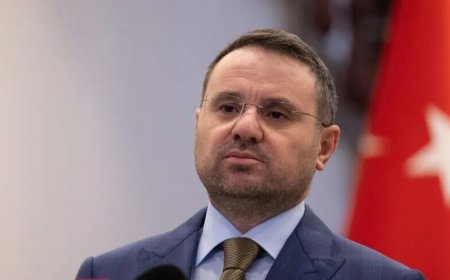
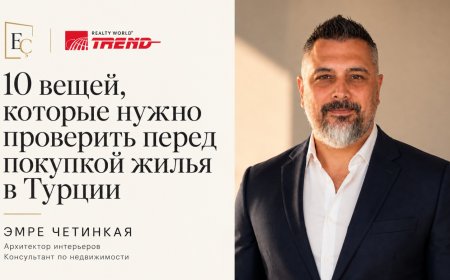
Mehmet Gökhan Özçubukçu: Russia as Part of Turkey’s Balancing Strategy
International relations expert Mehmet Gökhan Özçubukçu also believes that Russian-Turkish relations cannot be viewed as a traditional alliance.
For Turkey, Russia is not only a major neighbor and an important trade and economic partner. Moscow also occupies a significant place within Ankara’s broader foreign policy balancing strategy.
Energy, trade, and regional security issues connect the two countries, while cooperation with Russia also expands Turkey’s ability to pursue an independent policy among different centers of power.
Özçubukçu defines relations between Moscow and Ankara as “cooperation amid competition.”
This model allows the two countries to continue working together even when their positions on individual international issues do not coincide.
For Ankara, relations with Moscow are not an alternative to relations with the West. Instead, they represent another dimension of foreign policy that allows Turkey to expand its room for diplomatic and economic maneuver.
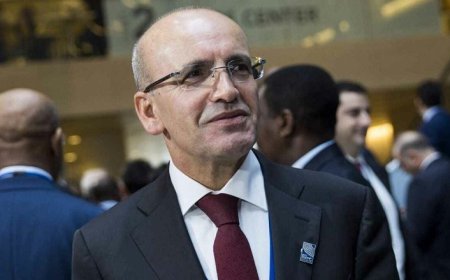
Cihan Günel: The Black Sea Requires a Distinct Balance
International relations expert Cihan Günel views Russian-Turkish relations primarily through the lens of security and the situation in the Black Sea.
Turkey is a member of NATO, but at the same time remains one of the key Black Sea powers. For this reason, the expert argues, its relations with Russia cannot be assessed solely through the prism of its obligations within the North Atlantic Alliance.
Ankara has its own interests in the region, directly linked to its national security.
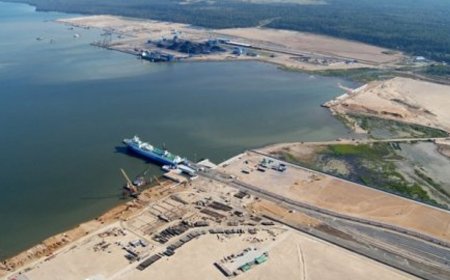
In this context, the Montreux Convention, which regulates the passage of warships through the Turkish Straits, retains particular importance. For Turkey, stability in the Black Sea is not an abstract diplomatic issue, but an important element of its own security.
According to Günel, Ankara will continue its policy of balancing between NATO and Russia while maintaining an independent position on issues directly affecting the Black Sea.
A New Formula for Relations
The different assessments offered by the Turkish experts converge on one point: Russian-Turkish relations increasingly depend less on complete political alignment between Moscow and Ankara.
The two countries have learned to separate areas where cooperation is possible from issues on which their positions remain different. As a result, political disagreements do not halt economic projects, energy cooperation, or dialogue on regional security.
For Turkey, this model makes it possible to maintain independence in foreign policy, develop relations with Russia, and at the same time continue engagement with Western partners. For Russia, it provides a way to maintain stable relations with one of the region’s key states even amid major shifts in the international environment.
This pragmatic balance of interests is gradually becoming the new formula for relations between Moscow and Ankara. For both countries, its advantage lies in the ability to cooperate where it is mutually beneficial without demanding complete agreement from one another, while preserving dialogue on issues where finding common ground is more difficult.